For health reasons I usually stay away from instant food, but the level of Japanese instant food is really quite high. Work was crazy busy over the New Year holidays, and I figured if not now I might never get another chance, so I tried a bunch of them.
Raoh
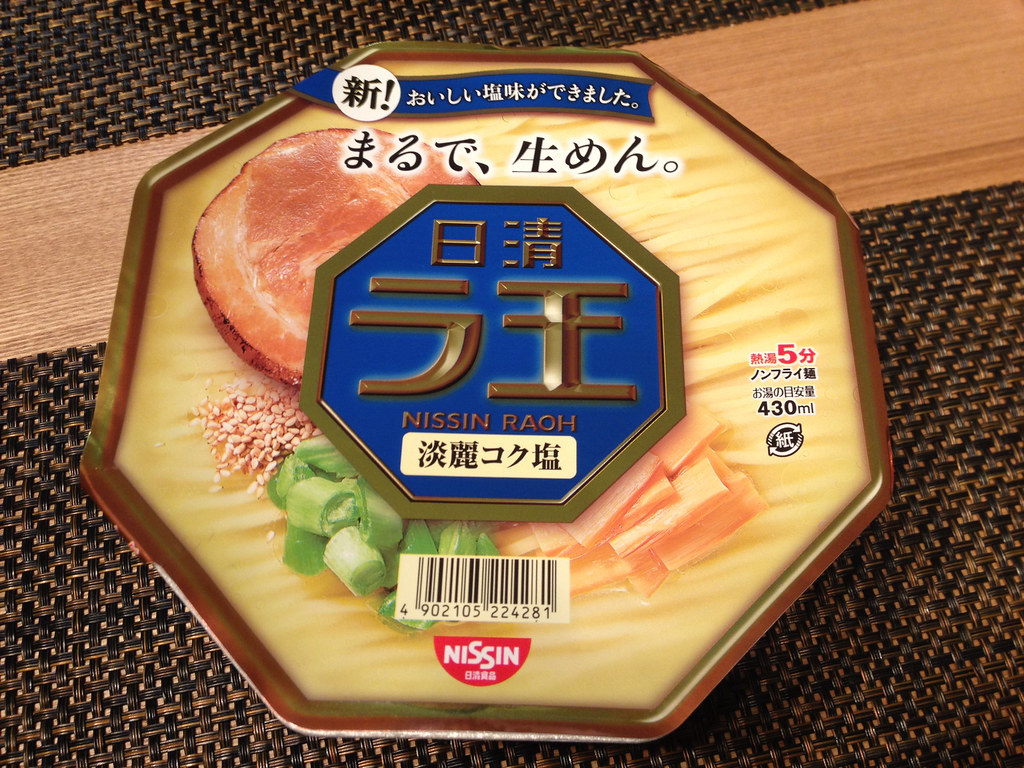
The “king of ramen” name is a bit much, like something a teenager would come up with, but this is the flagship of premium cup noodles. It costs about 300 yen. A few years ago it caused a bit of a public stir (they made a huge fuss about discontinuing it, then brought it back after three months..) -_- but the taste itself gets good reviews. The lid says it is “just like fresh noodles”.
This is what it looks like after adding hot water.
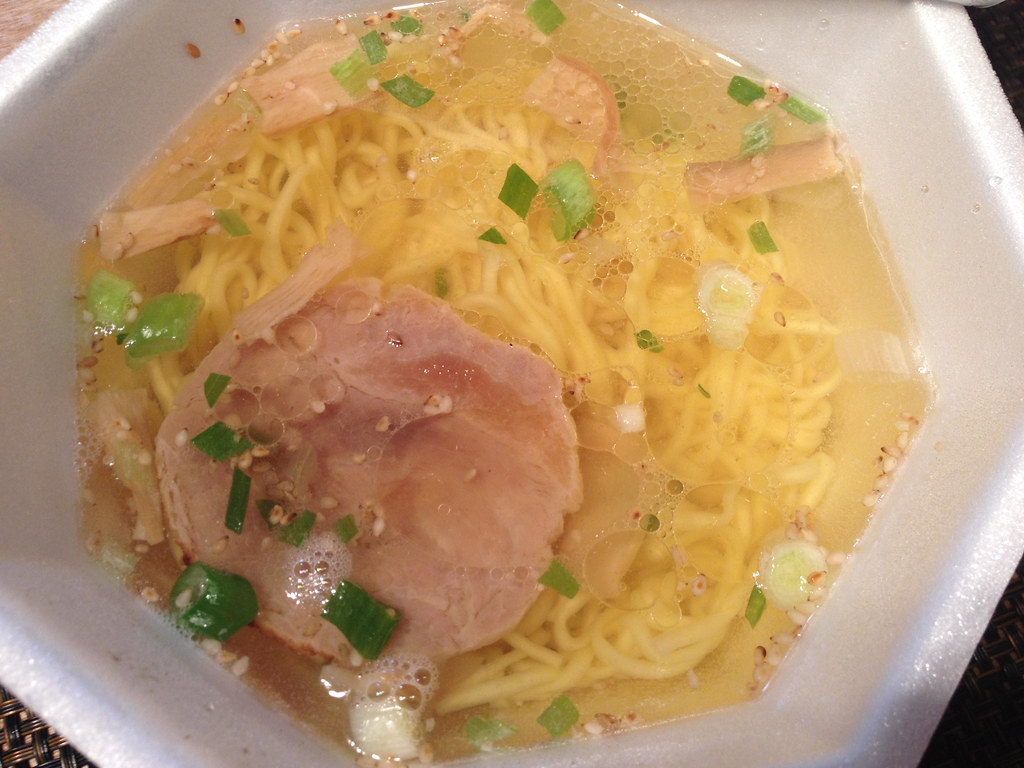
There is even a slice of chashu, flimsy as it is. Toppings aside, the soup is decent enough. I hear it used to come with real chashu, but when they lowered the price it got swapped for a cheaper one.
The noodles
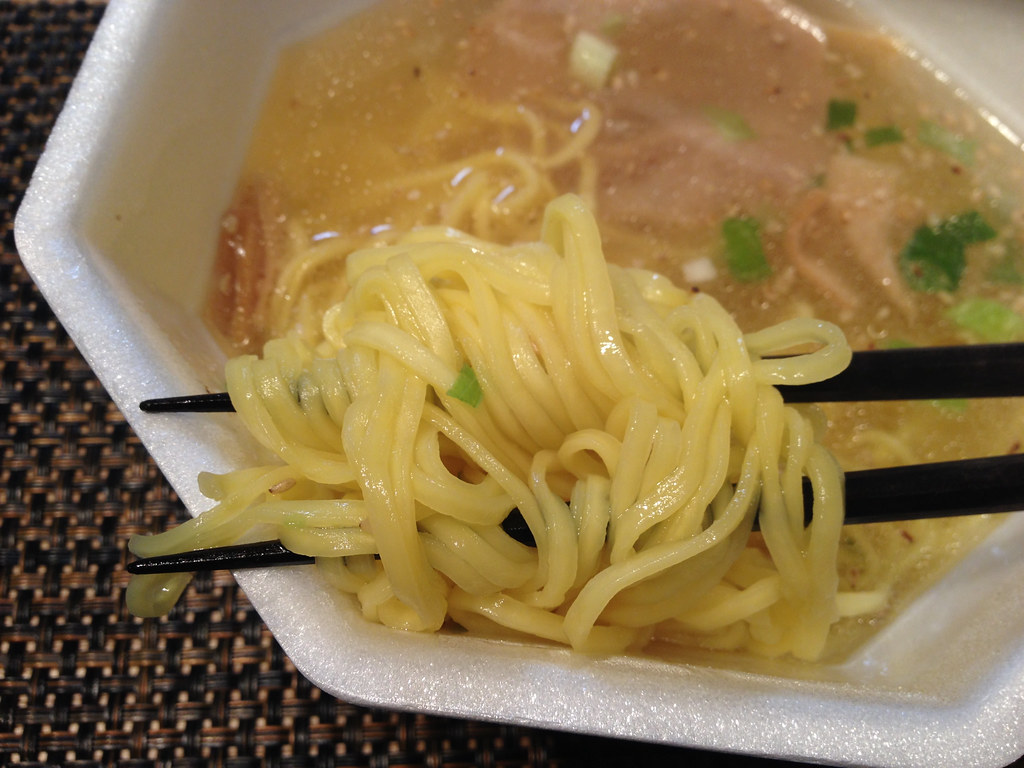
Quite springy. Excellent noodles, nothing like what you expect from instant. They are almost identical to fresh noodles, and honestly this beats a bad ramen shop by a mile. Then again, 500 yen buys you a bowl of Hakata tonkotsu ramen, so a 300-yen cup noodle is not exactly cheap.
Maruchan Seimen
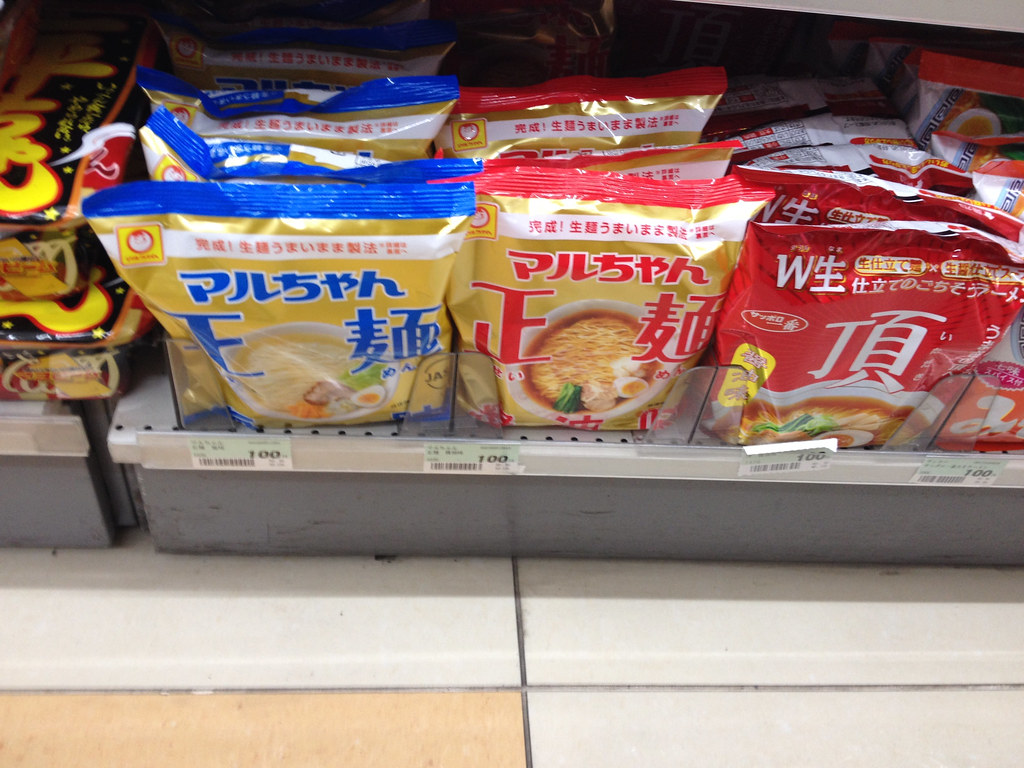
The hottest packet ramen in Japan right now. It sells so well that Masato Sakai, the top male actor of the moment thanks to Hanzawa Naoki and Legal High, stars in its commercials.
Cooked up
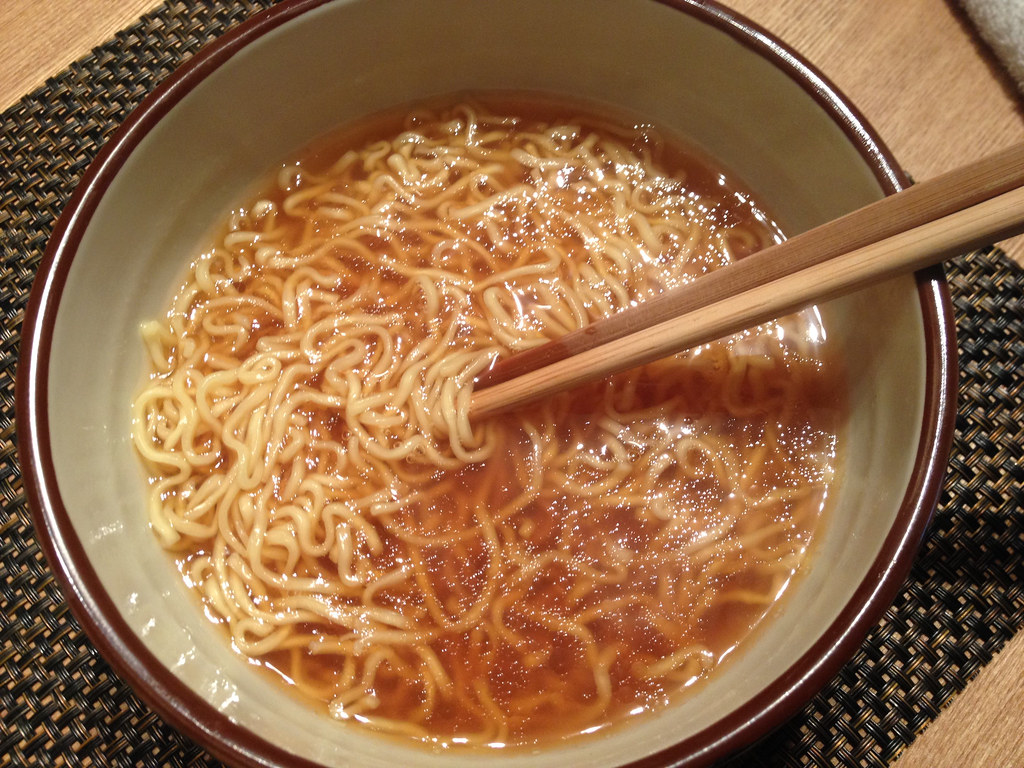
It is only about 100 yen, yet somehow it really captures the taste of fresh ramen. How on earth they make it is a mystery to me. I wish the Korean instant noodle industry, which never seems to move forward, would learn a thing or two.
Maruchan Dekamaru Moyashi Miso Ramen
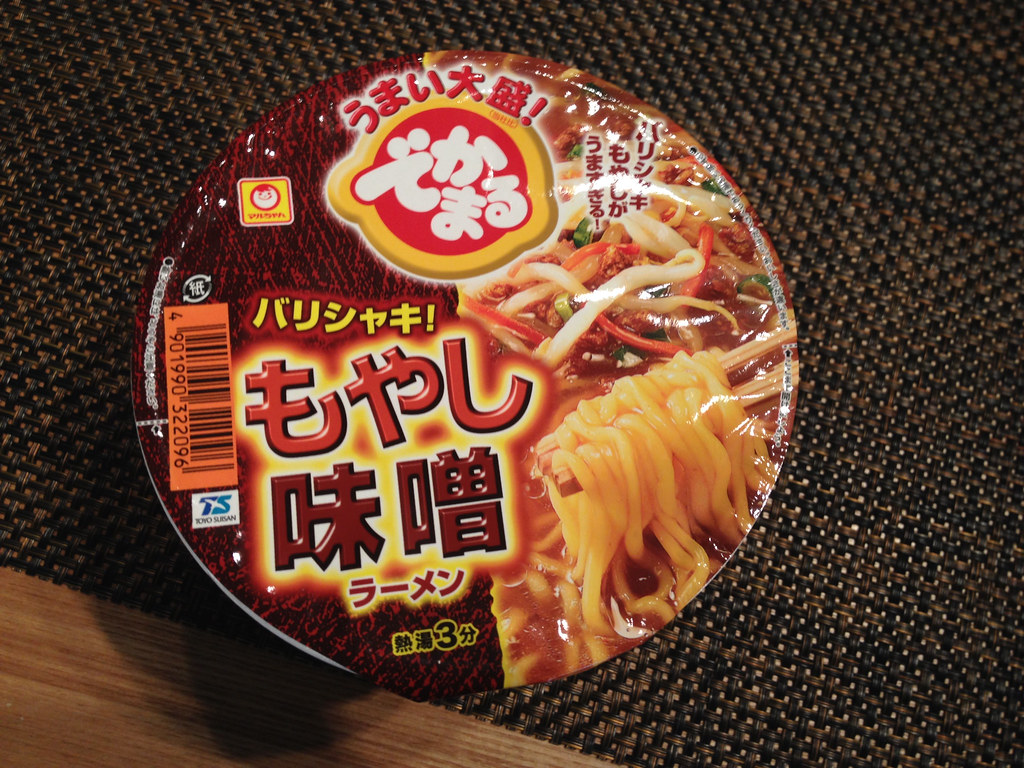
I stumbled on this at a convenience store, and it turned out to be a downright shocking cup noodle. If you look closely you will see it: a mere cup noodle, and it comes with real bean sprouts.
The contents
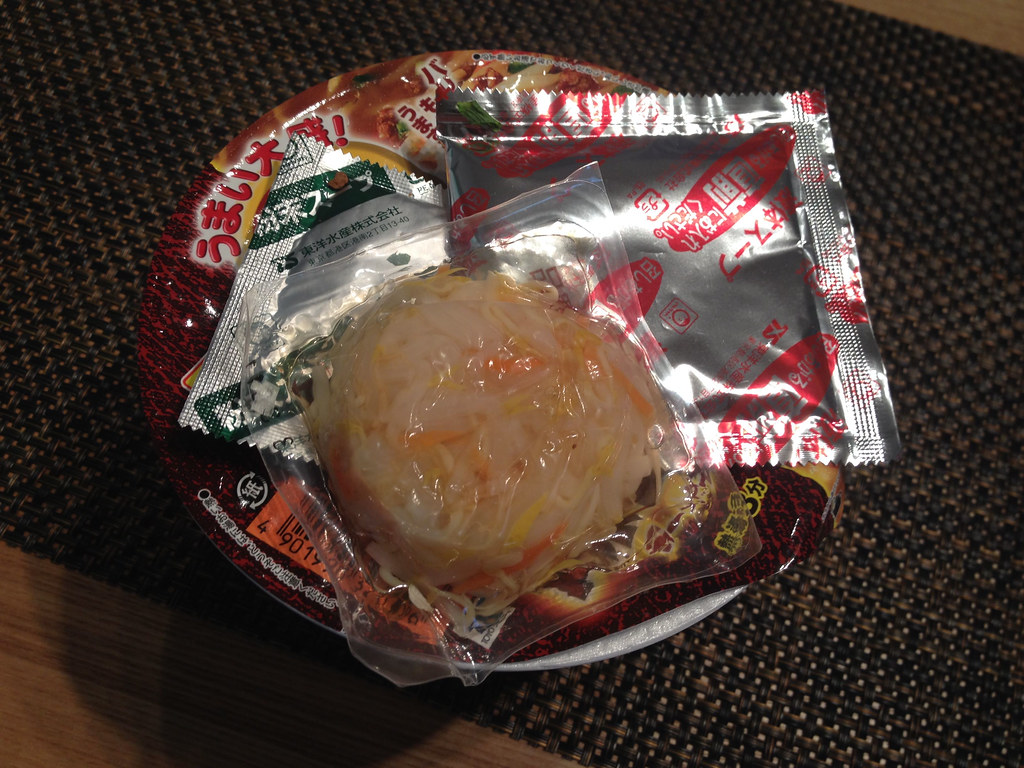
Inside are vacuum-packed bean sprouts, liquid soup and so on. Getting the sprouts out without scissors is a bit of a problem, but the sprouts themselves had a nice crunch.
Noodles
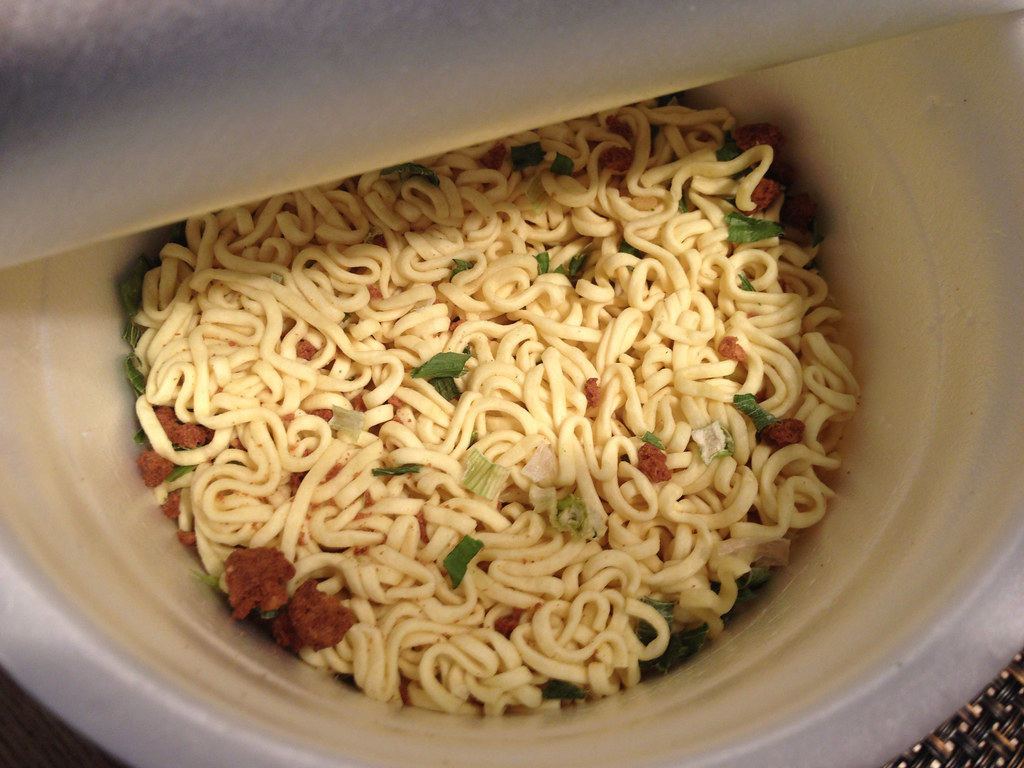
Just add hot water and it turns into miso ramen.
Close-up of the noodles
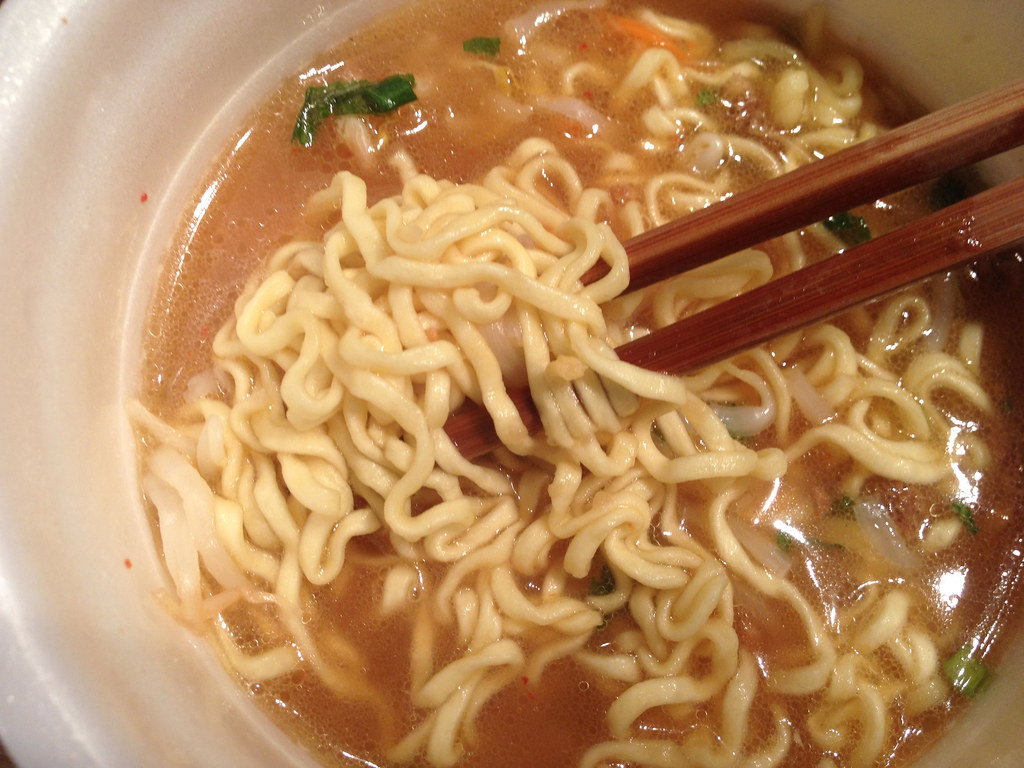
The noodles are decent too, and the taste is on par with your average miso ramen shop. That a 200-yen ramen from a convenience store could be this shockingly good.. I wanted to try the sister products too (like the corn potage flavour), but there was no time this trip.
Peyoung Sauce Yakisoba
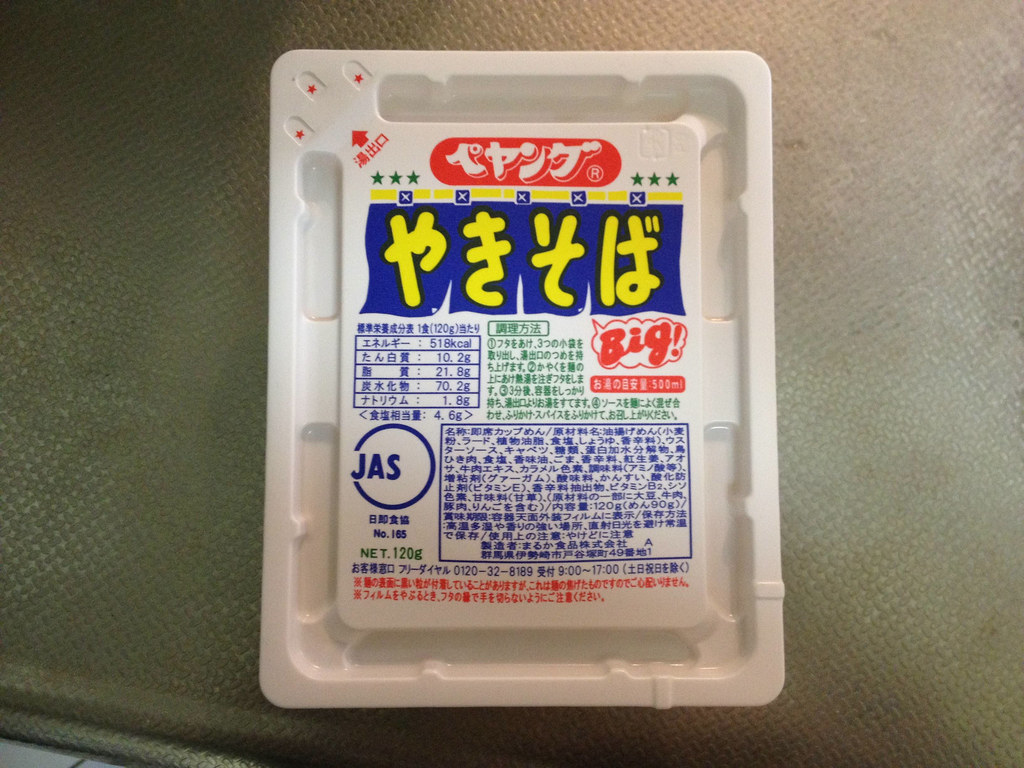
You cannot talk about Japanese instant noodles without mentioning yakisoba. It tastes a bit different from real yakisoba, and in a way I think it occupies the same spot as Chapagetti does in Korea.
The contents
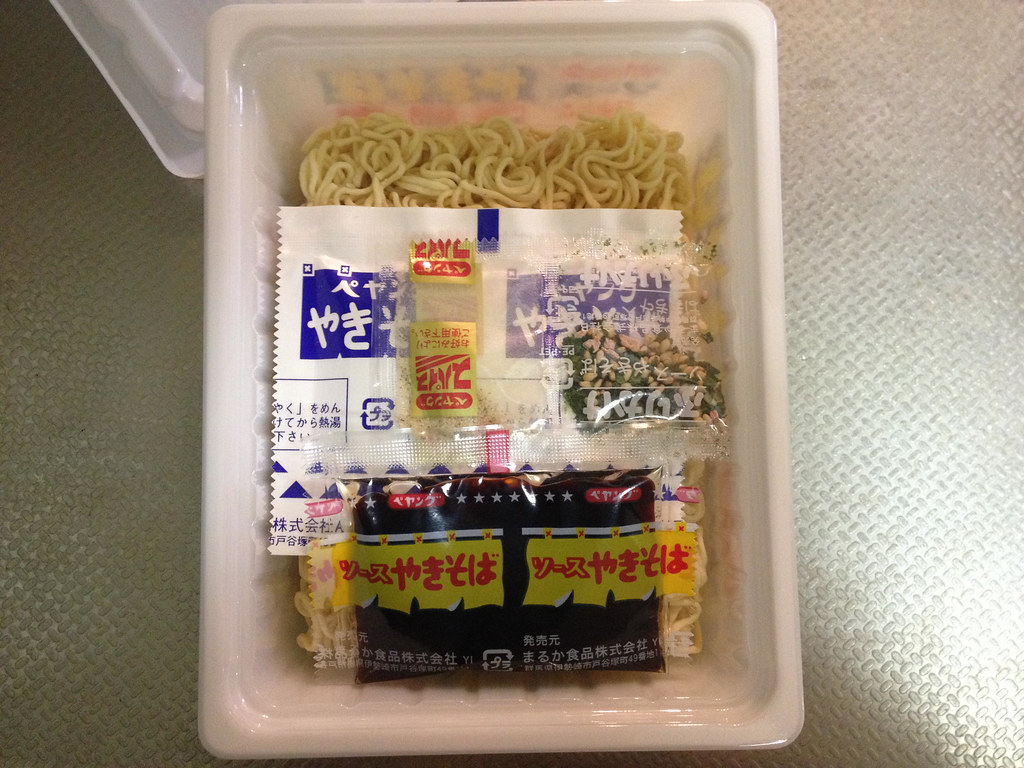
It is simple to make; just get the timing right when you drain the water and you are rewarded with a great taste.
The result
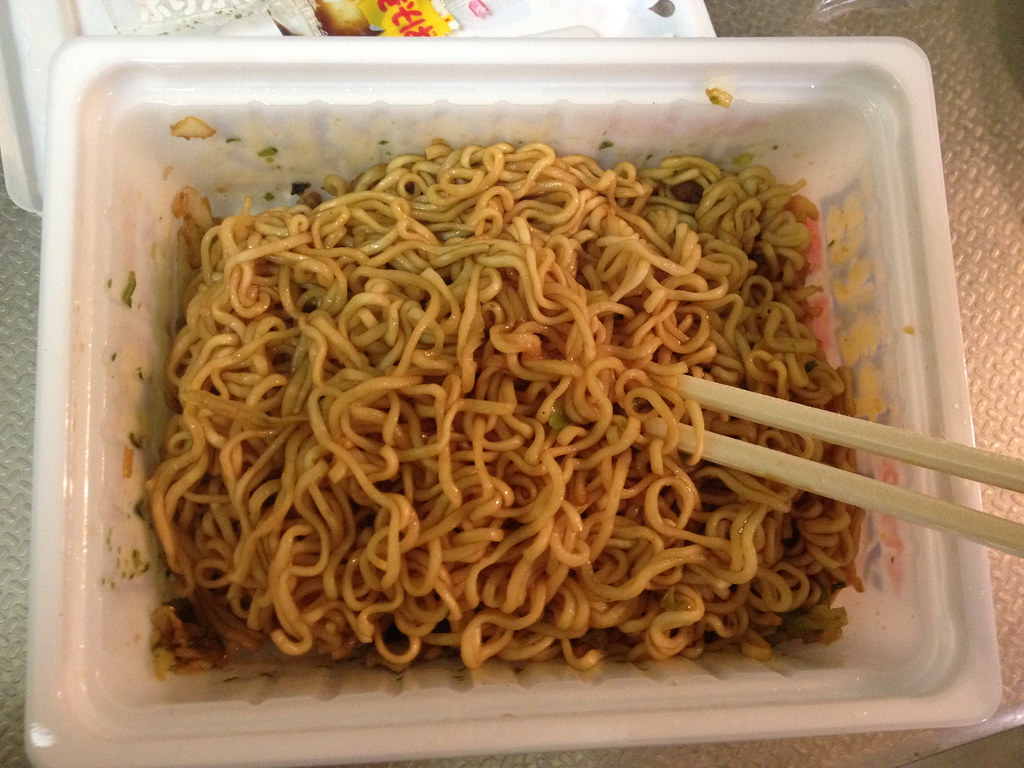
Slurped it down in no time.
Lately I have been rewatching last year’s drama Meshibana Deka Tachibana, and while it is heavy on product placement, it is full of good information. Instant food is cheap but basically a lump of carbs, so I never paid it much attention, but I learned that as Japanese lifestyles have westernised – with more and more people living alone – the instant food industry has grown enormously, and the quality has shot up along with it. Recently I tried a House retort curry, and apart from the mushy vegetables it tasted almost exactly like curry made at home. Compared to that, Korea’s Ottogi curry hardly deserves to be called curry. I have been ignoring instant food all this time, but from now on I will check them out one by one whenever I get the chance. And although it did not make it into this post, the Hokkaido specialty Shirokuma shio ramen is very tasty too. I have a feeling I will be craving it now and then on the morning after a night of drinking.
Join the Discussion